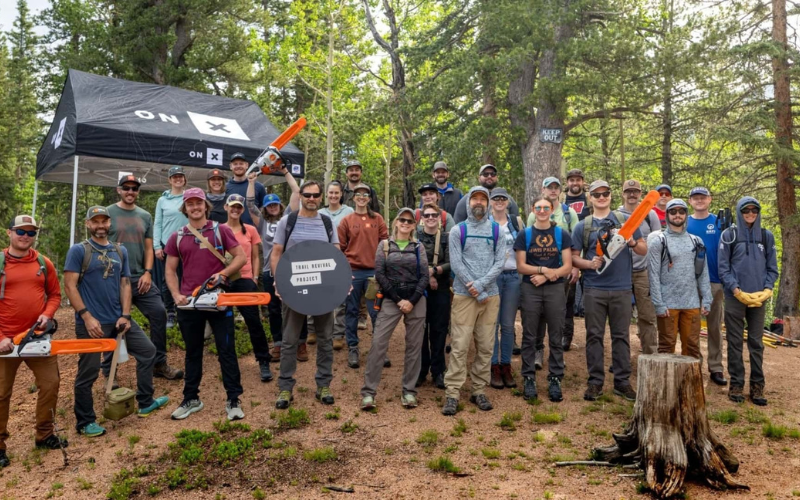
onX is looking for members of the off-road community across the United States. That includes individual enthusiasts who know their local trail systems inside and out. It includes clubs and organizations that have been maintaining trails informally for years without much recognition or support. It includes groups that have identified specific projects but lack the funding to make them happen.
The application process is straightforward, and the March 1st deadline gives interested parties time to put together a solid proposal. The key is demonstrating a clear plan for how the money will be used and what impact the project will have on public lands access.
The Bigger Picture
Trail Revival is part of a larger trend of outdoor recreation companies taking conservation seriously. In an industry that profits from people using public lands, there's a growing recognition that those lands need active stewardship to remain viable.
But there's also a harder reality at play. With federal and state governments pulling back from their traditional role as public lands managers, private citizens and organizations are being forced to pick up the slack. That shift represents both an opportunity and a warning.
The opportunity is for local communities to take direct ownership of the trails and lands they use most. Nobody knows a local trail system better than the people who ride it regularly. Nobody has a stronger incentive to maintain access than those who depend on it.
The warning is that this shouldn't be necessary. Public lands belong to the public, and maintaining them should be a government priority. When budget cuts force ordinary citizens to do work that government agencies used to handle, that's not a victory for local empowerment. It's a failure of public stewardship.
There's also a cynical calculation at work in some quarters. Apathy is a powerful tool. When trails deteriorate and nobody steps up to maintain them, it becomes easier to argue that those lands aren't valuable, that they're not being used, that they could be better served through privatization or sale.
Every trail that falls into disrepair, every access point that closes, every area that becomes too difficult to reach—these feed a narrative that public lands are a burden rather than a benefit. And once that narrative takes hold, selling off public lands becomes a lot easier to justify.
A Call to Action
That's why programs like Trail Revival matter so much right now. They provide a way for people who care about public lands to actively fight back against neglect and deterioration. They turn concern into action and frustration into results.
The work isn't glamorous. Clearing trails, moving rocks, fixing drainage—it's hard, sweaty, unglamorous labor. But it's also some of the most important conservation work being done right now. It keeps access open. It prevents long-term damage. It demonstrates that public lands are valued and used and worth protecting.
Applications for the 2026 Trail Revival projects are open now, and the deadline is March 1st. For anyone who's ever complained about closed trails or deteriorating access, this is a chance to do something about it. For clubs and groups that have been maintaining trails on their own without support, this is an opportunity to get the resources those efforts deserve.
The application process is available through onX's website, and there's no good reason not to apply if you've got a project in mind. The worst that can happen is a rejection. The best that can happen is $10,000 to make a real difference on the ground.
Protecting What We Have
The outdoor recreation community faces a choice. We can sit back and watch as budget cuts and political indifference slowly strangle access to public lands, or we can take an active role in protecting what we have. Trail Revival offers a practical way to choose the latter.
It's not a complete solution. No single grant program can make up for systematic underfunding of public lands management. But it's a start, and right now, starts are what we need.
The trails that hunters use to reach backcountry areas, the roads that off-roaders depend on for access, the routes that snowmobilers follow through winter landscapes—none of these maintain themselves. They exist because someone put in the work to create them and because people continue putting in work to maintain them.
In better times, that work was largely handled by government agencies with dedicated budgets and professional staff. Those times are gone, at least for now. Which means the responsibility falls to the people who actually use these lands, who understand their value, and who aren't willing to watch them disappear.
Trail Revival provides funding, but it also provides something equally important: recognition that this work matters. That the people doing it are performing a valuable service. That conservation isn't just about setting aside wilderness areas and keeping people out, but also about maintaining the infrastructure that lets people in.
For anyone who's spent time on public lands, who's benefited from the access those lands provide, who wants their kids and grandkids to have the same opportunities—the March 1st deadline is coming up fast. The application is available. The money is real. The need is urgent.
Public lands belong to all of us, but only if we're willing to fight for them. Trail Revival is one way to do exactly that.


