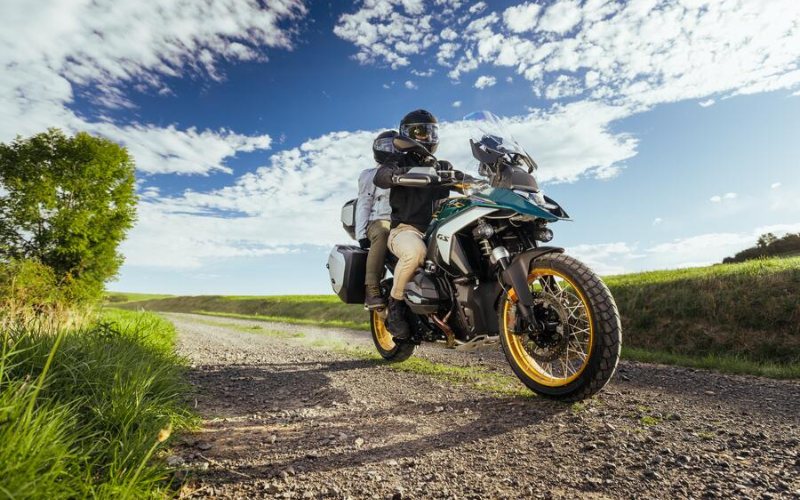
Michelin has rolled out its newest addition to the adventure touring motorcycle tire lineup, and the company is making some bold claims about what riders can expect from the Anakee Adventure 2. The tire represents what the French manufacturer calls a significant step forward in its global strategy for the adventure bike segment, bringing improvements in several key areas that matter most to riders who split their time between pavement and dirt.
The Anakee Adventure 2 sits in a specific spot within Michelin's adventure tire range. It's built primarily for street riding but engineered to handle off-road situations with confidence. According to Amanda Wemette, motorcycle brand manager for Michelin North America, Inc., "The new Anakee Adventure 2 tire marks a key milestone in Michelin's global trail strategy." She added that the tire "represents Michelin's commitment to innovation for riders worldwide" while building on what the previous generation offered.
The improvements over the original Anakee Adventure aren't just incremental. Michelin claims the front tire lasts seven percent longer than before, while the rear shows an even more impressive twenty-one percent increase in longevity. These aren't minor gains when considering the cost and hassle of tire replacement, especially for riders who rack up serious miles on long-distance trips.
Beyond just lasting longer, the new tire addresses one of the most common complaints about adventure touring tires: noise. Michelin says they've achieved a significant reduction in perceived noise levels, which translates to a smoother and less tiring ride. Anyone who's spent hours on the highway knows how much road noise can wear on you, turning what should be an enjoyable journey into an exhausting slog.
The tire also brings improved wet-weather performance to the table. Michelin has incorporated new high-performance silica-based compounds into the construction, enhancing the tire's ability to grip wet pavement. This is crucial for riders who don't have the luxury of checking weather forecasts before every ride or those who find themselves caught in unexpected downpours far from home.
The company hasn't forgotten about the "adventure" part of adventure touring either. The Anakee Adventure 2 carries a Mud and Snow marking, and the tread pattern has been optimized to deliver effective traction when the pavement ends and the dirt begins. Michelin positions this tire as covering eighty percent on-road and twenty percent off-road use, placing it between the more street-focused Anakee Road and the more dirt-capable Anakee Wild in their lineup.
Several advanced technologies go into making these improvements possible. Michelin's 2CT Technology uses a dual-compound design that puts durable rubber in the center of the tire where it contacts the road during straight-line riding, while maximum grip compounds sit on the shoulders for cornering. This approach helps balance wear characteristics with performance needs.
The tire also features what Michelin calls Reinforced Radial-X Evo and Aramid Shield construction. These technologies work together to provide stability and comfort while improving resistance to damage across different terrain types. The tread design itself represents a balancing act, delivering road comfort without sacrificing traction when things get loose and unpredictable.
Even the aesthetics got attention. Michelin's Premium Touch Design adds visual appeal to the sidewalls, which might seem superficial until you consider how much money people invest in adventure bikes. Having tires that complement the bike's appearance matters to many riders.
The Anakee Adventure 2 fits a wide range of popular adventure touring motorcycles currently on the market. The compatibility list includes the BMW R1250 and R1300GS, Honda Africa Twin, Yamaha Tenere, Ducati Multistrada, Triumph Tiger, KTM Super Adventure, Suzuki V-Strom, Aprilia Tuareg, Moto Guzzi V85, and Kawasaki Versys, among others. This covers most of the mainstream adventure bike segment, making the tire accessible to a broad swath of the riding community.
Understanding where this tire fits requires looking at Michelin's complete adventure touring range. At the most road-focused end sits the Road 6 tire, designed for one hundred percent pavement use. Next comes the Anakee Road, which Michelin rates for ninety percent on-road and ten percent off-road riding. The new Anakee Adventure 2 occupies the eighty-twenty split as mentioned. For riders who want a more even balance between street and dirt, the Anakee Wild offers a fifty-fifty split.
This tiered approach lets riders choose a tire based on their actual riding habits rather than being forced into a one-size-fits-all solution. Someone who occasionally ventures onto graded forest roads can run different rubber than someone planning to tackle serious off-road trails regularly.
The launch timing ties into Michelin's broader ambitions for the adventure segment. The company has stated plans to become a major player in adventure touring by 2030, and the Anakee Adventure 2 represents a concrete step toward that goal. They're not just updating existing products but actively working to establish themselves as a go-to choice in a growing market segment.
Adventure touring continues to gain popularity as more riders discover the appeal of motorcycles that can handle both daily commutes and weekend exploration. These bikes represent freedom from being locked into one type of riding, and they need tires that can adapt to changing conditions without compromising too much in either direction.
The engineering challenge behind a tire like this shouldn't be underestimated. Creating a tire that grips well in the wet, lasts thousands of miles, runs quietly on the highway, and still bites into loose dirt requires balancing competing demands. Make it too soft and it wears out quickly. Make it too hard and it won't grip. Focus too much on off-road traction and it becomes a noisy handful on the interstate.
Michelin's solution involves those advanced compounds and construction techniques, but also a tread pattern that channels water away on wet roads while still providing edges to dig into softer surfaces. The dual-compound approach helps manage wear by putting harder rubber where the bike spends most of its time during highway cruising, while keeping grippier rubber available for when the rider needs it in corners or on trails.
The noise reduction achievement matters more than it might initially seem. Tire noise doesn't just cause fatigue through sheer volume. It also masks other sounds that riders use for situational awareness, from engine notes that indicate mechanical issues to traffic around them. A quieter tire creates a more pleasant overall riding experience and potentially a safer one.
For riders considering the Anakee Adventure 2, the key question comes down to whether it matches their riding style. Someone who sticks to pavement ninety-five percent of the time might be better served by the Anakee Road. Someone who regularly explores challenging off-road terrain should probably look at the Anakee Wild. But for riders who genuinely split time between quality road riding and moderate off-road exploration, this tire appears designed specifically for that use case.
The tire is available now through Michelin's authorized dealer network worldwide. Pricing wasn't disclosed in the announcement, though premium tires from major manufacturers typically command premium prices. Whether the improvements in longevity, noise reduction, and wet weather performance justify any price premium comes down to individual priorities and budgets.
What's clear is that Michelin is making a serious push into the adventure touring market with a product that addresses real-world concerns riders have expressed about previous generation tires. Longer life means fewer replacements. Better wet grip means more confidence in changing conditions. Less noise means arriving at destinations less worn out. These aren't revolutionary claims, but they represent meaningful improvements in the areas that matter during actual riding.
The adventure touring segment shows no signs of slowing down. Manufacturers continue releasing new models and updating existing ones, while riders increasingly embrace the versatility these bikes offer. Having tire options that genuinely cater to different points along the road-to-dirt spectrum makes sense for a market that includes everyone from weekend warriors on gravel roads to serious travelers tackling trans-continental routes that include everything from interstates to mountain passes to desert tracks.
Michelin's investment in this segment through 2030 suggests they see continued growth and opportunity. The Anakee Adventure 2 represents just one part of that strategy, but it's a part that riders can actually mount on their bikes and evaluate for themselves. Whether it delivers on the promises Michelin makes will ultimately be determined by riders putting miles on these tires across all the conditions and terrain types the company claims they can handle.
For now, the tire adds another option to an increasingly crowded field, one that comes from a manufacturer with deep history in motorcycle tires and the engineering resources to back up their claims. Whether that's enough to make it a standout choice in the adventure touring tire market remains to be seen as riders get real-world experience with the Anakee Adventure 2 over the coming months and years.


