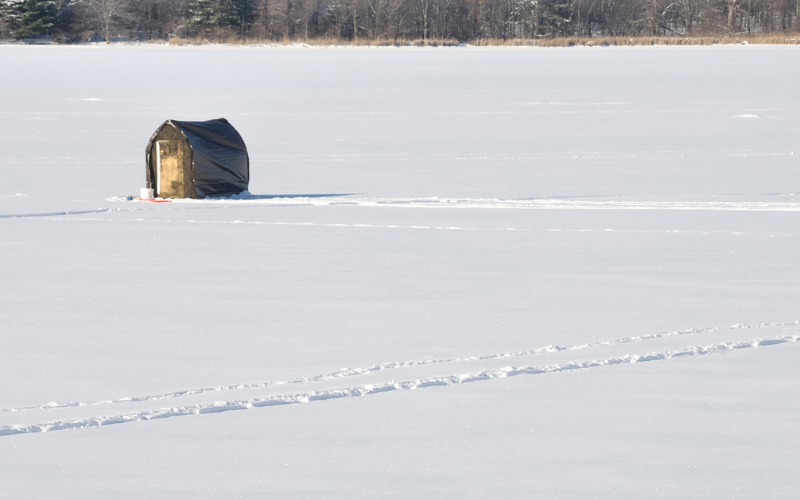
Every winter, a unique event unfolds on the frozen surface of Black Lake in northern Michigan. It's the state's lake sturgeon spearing season – an outing so brief that it often wraps up before most folks finish their morning coffee. For 2026, the Michigan Department of Natural Resources has set the date for Saturday, February 7, in Cheboygan County. The season kicks off at 8 a.m. and runs until 2 p.m., but history shows it rarely lasts that long.
Last year, in 2025, the whole thing ended after just 17 minutes. Anglers managed to spear seven fish even though the limit sat at six. That quick close happens because the rules are strict: once six sturgeon are registered, the season shuts down immediately. If five have been taken by the end of any day, or if the count hasn't reached six by 2 p.m. on Wednesday, February 11, it's over. In recent years, they've never needed more than one day.
These tight limits come from serious conservation work. Lake sturgeon are ancient creatures that have been around since the time of the dinosaurs – more than 100 million years ago. People often call them living fossils. In the Great Lakes region, they can reach seven feet in length, tip the scales at over 300 pounds, and live a century or longer. After decades of overfishing and habitat loss, their numbers dropped dangerously low. The small harvest quota protects the progress made in bringing them back.
Over the past 20 years, groups like the Department of Natural Resources, Sturgeon for Tomorrow, tribal agencies, Michigan State University, and the Tower-Kleber Limited Partnership have teamed up on rehabilitation. They've raised young sturgeon in hatcheries, stocked them into the lake, studied the population, and guarded the adults during spawning. Those efforts have paid off, with numbers steadily climbing and expected to keep rising.
That's why hundreds of dedicated anglers bundle up and head out onto the ice each February. For many, landing one of these massive, prehistoric fish is a once-in-a-lifetime achievement. Picture hauling up a 57-inch male that weighs 45 pounds – that's exactly what happened to Doug Blaskowski from Brutus back on February 5, 2022. He speared the fourth fish of that season with his 3-year-old son right there beside him.
To join in, everyone has to register online ahead of time, no later than February 6. Anyone 17 or older needs a current Michigan fishing license. Once on the ice, rules keep things organized and safe. Every shanty must fly a bright red flag at least one foot across so officials can spot participants easily. As soon as someone spears a sturgeon, they have to flag down DNR personnel right away.
All harvested fish get registered at a DNR trailer parked at the end of Zollner Road on the northwest side of the lake. Crews examine each one, sometimes checking internal organs or clipping a small piece of fin for DNA testing and age determination. When the sixth fish is officially logged, word spreads fast – through text alerts and announcements on the ice. At that point, everyone stops fishing for sturgeon immediately.
Safety plays a big role, especially with ice fishing. Conditions on Black Lake can change quickly across different areas. The season won't get pushed back, but officials could cancel it up to 48 hours beforehand if the ice looks too risky. Strong ice usually looks clear with a blue tint. Stay away from milky-looking spots or any ice buried under snow – those are often weak.
The draw of this short season goes beyond just catching a fish. It's about being part of something bigger: helping sustain a species that has outlasted dinosaurs. Guys who love the outdoors, who appreciate hard-earned traditions and the quiet patience of ice fishing, find themselves coming back year after year. They drill holes, set up shanties, and wait in the cold, knowing the odds are long but the reward is huge.
For those who make the trip to Cheboygan County, it's more than a fishing trip. It's a chance to connect with Michigan's wild heritage, to stand on a frozen lake where ancient giants still swim below. Even if the season lasts only minutes, the stories from those few hours can last a lifetime.
If you're thinking about giving it a try in 2026, start with the basics: get registered, grab your license, pack a red flag, and check the ice reports. Who knows – you might be the one bringing in that final fish that closes the season for everyone.


