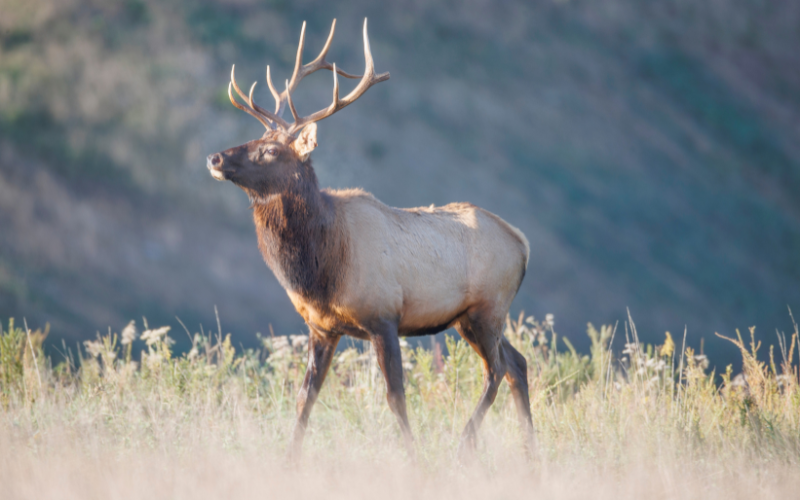
Every year, tens of thousands of Michigan men put their name in the hat for one of the most coveted tags in the Midwest: a Michigan elk license. With only 260 pure-random-draw tags handed out to residents from a pool that regularly tops 40,000–50,000 applicants, drawing one feels a lot like hitting the Powerball—except the prize is a massive bull bugling on a crisp northern ridge instead of a check from Lansing.
For the lucky few who finally hear their name called after ten, fifteen, or even twenty-plus years of buying preference points, the current hunting seasons have always come with a catch. You either burned vacation days in late August and early September (when the rut hasn’t really kicked in yet and the weather can still be downright hot), or you tried to squeeze a December hunt in between Christmas parties, kids’ school programs, and that nagging honey-do list back home.
The Michigan DNR is looking to fix that.
New proposals moving through the system would completely overhaul the elk season structure for 2026 and 2027, handing hunters dramatically more days on the ground—and putting those days in months when elk are far more active and the woods aren’t full of orange army deer hunters.
Instead of the old setup—roughly 12 days split across late August into September, followed by a short 9-day December season—the new plan lays out a full 30-day window running through September and October, plus another 15 days in early December.
Thirty days in the heart of the rut. Think about that for a second.
Scott Eggeman, the field operations manager for the DNR’s Wildlife Division, didn’t mince words when asked why they’re pushing the change.
“We want to give hunters more flexibility and more control over when they hunt,” Eggeman said. “Elk hunting in Michigan is kind of like winning the lottery. It’s viewed as a once-in-a-lifetime opportunity.”
He’s not exaggerating. Some guys wait their entire hunting careers for this tag. When it finally comes, the last thing they need is a season calendar working against them.
“It’s hard to even spot elk, let alone get the chance to hunt one,” Eggeman added.
Because Michigan’s elk herd—around 1,200 to 1,400 animals strong—lives only in the northern Lower Peninsula, mostly around Pigeon River Country State Forest and surrounding areas. They’re not thick like whitetails. You can drive those backroads for days and never lay eyes on one. When you do, it’s an event.
The extended season isn’t about killing more elk, either. The DNR isn’t proposing any increase in the total number of licenses issued. The same 260 tags will go out the door. What changes is when hunters can use them.
“Based on our population abundance surveys, the hunted elk will be replaced through reproduction,” Eggeman explained. In plain English: the herd can handle the same harvest, just spread over better dates.
One of the smartest tweaks is moving that late season away from the Christmas crunch. Right now, the December hunt sometimes lands smack in the middle of holiday chaos. The new plan shifts those 15 days to the first half of the month—plenty of time to get your elk on the wall before the relatives show up expecting you to play host.
Early feedback from hunters has apparently been running strong in favor of the changes. Most guys who’ve spent decades chasing bull elk with a bow or rifle can instantly see the advantage of having most of September and all of October as legal shooting light.
If you’re one of the thousands still throwing your name in the hat every year—or if Lady Luck finally smiled on you and you’re holding a 2026 tag—you’ve got until January 23, 2026, to let the DNR know what you think. Just shoot an email to DNR-Elk-Hunt@Michigan.gov. The Wildlife Conservation Order amendments that would make this official are scheduled to be voted on in April 2026.
For a lot of Michigan hunters, this could be the biggest improvement to elk hunting regulations in a generation. More days, better timing, same limited tags, and zero risk to the herd.
In a state where drawing an elk tag already feels like winning the lottery, the DNR might have just figured out how to make cashing in that ticket a whole lot sweeter.


