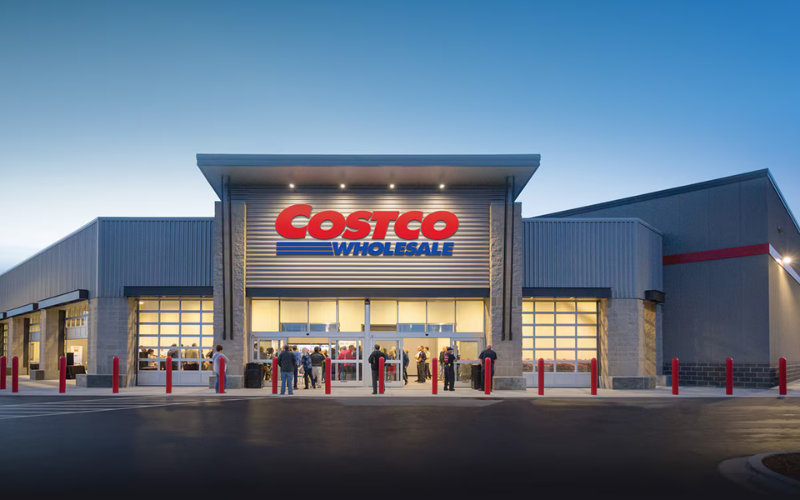
Every time a guy loads up his truck with a pallet of ribeyes, a flat of motor oil, and that giant pack of socks from Costco, he’s quietly paying more than he used to. A big chunk of that extra cost comes from tariffs slapped on goods from overseas during the last Trump administration. Now Costco, the king of the warehouse clubs, is in federal court fighting to make sure members get their money back if the Supreme Court says those tariffs were never legal in the first place.
Last Friday, the Issaquah, Washington-based giant filed a lawsuit against the United States government in the U.S. Court of International Trade in Manhattan. The goal is simple: lock in Costco’s right to refunds on hundreds of millions of dollars in tariffs it paid on everything from furniture to food if the high court rules the tariffs were improper.
The whole mess started when President Trump used a 1977 law called the International Emergency Economic Powers Act (IEEPA) to hit countries like China with broad tariffs. Most people think of that law as a tool for freezing terrorist bank accounts or blocking rogue nations, not for trade wars. A bunch of importers challenged the move, and the case raced up to the Supreme Court on an unusually fast track.
On November 5, justices on both the left and right grilled the government’s lawyer. Even conservative justices sounded skeptical about whether the president really has blanket authority to tax imports just by declaring an “emergency.” The court hasn’t said when it will decide, but everyone expects an answer soon.
That uncertainty is exactly why Costco ran to court. U.S. Customs and Border Protection turned down the company’s request for extra time to finalize exactly how much tariff money it’s owed. Without that extension, Costco worries the refund window could slam shut even if the Supreme Court later says the tariffs never should have existed. In plain English: use it or lose it forever.
Costco isn’t alone. Court records show companies like Bumble Bee Foods, Kawasaki Motors, Revlon, Yokohama Tire, and the company that makes Ray-Ban sunglasses (EssilorLuxottica) have all filed similar suits to protect their refund rights. But Costco towers over the pack. In its fiscal year that ended August 31, the warehouse chain rang up a staggering $275.2 billion in sales. That kind of volume means even a small percentage refunded adds up fast for both the company and, eventually, its members.
Warehouse regulars already know Costco has been working overtime to blunt the tariff sting. The company has cut the number of overseas suppliers it relies on, shifted more buying to American factories when possible, and leaned harder on its own Kirkland Signature house brand, which often sidesteps foreign tariffs entirely. Those moves keep prices from spiking even worse than they already have.
Customs and Border Protection declined to comment on the lawsuit, and Costco itself hasn’t made a public statement beyond the court filing.
For the average member pushing a flatbed cart through those cavernous aisles, this case probably feels like inside baseball. But the stakes are real. If the Supreme Court strikes down the tariffs and companies like Costco get their money back, there’s a decent chance some of those savings flow downstream in the form of lower prices or fatter dividends on those Executive Membership rewards checks.
Until the justices rule, though, the smart play is the same as always: keep the receipt, watch the price board, and maybe stock up on that imported bourbon while it’s still on sale. Because depending on how this shakes out, your next Costco run could either get a little cheaper, or the prices you’re grumbling about today might be locked in for good.


