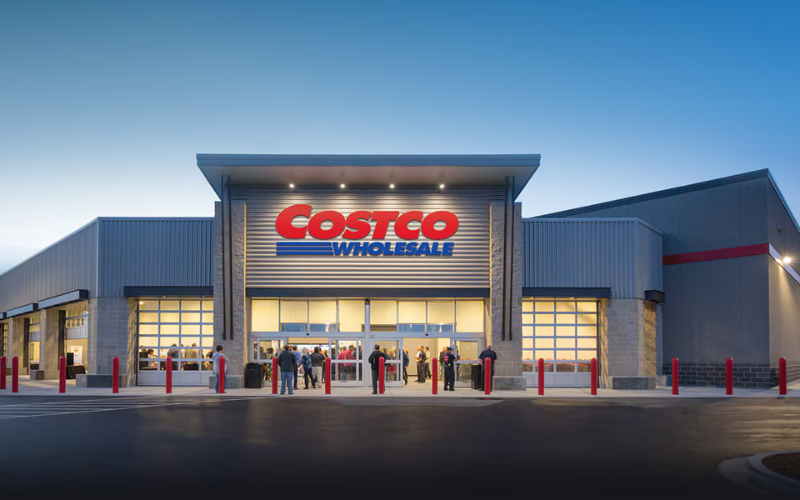
In the world of bulk shopping, Costco has long been a go-to spot for guys looking to stock up on everything from giant packs of steaks to tools and tires, all at prices that make sense for feeding a family or outfitting a garage. The warehouse giant built its reputation on ordering massive amounts of goods to score the best deals from suppliers, then passing those savings straight to members. But lately, a lot of shoppers are walking out with receipts that hit harder than expected. The reason? Import tariffs that kicked in back in April 2025 are starting to squeeze the chain's bottom line, and that's trickling down to the aisles.
These tariffs, aimed at goods coming in from overseas, have forced Costco to rethink how it stocks its shelves. Shoppers heading in for holiday gear this season might notice the selection feels a bit thinner. There are fewer artificial Christmas trees on offer, along with reduced options for toys that kids love, furniture to spruce up the living room, home decor items like lights or wreaths, and even hardware essentials for weekend projects. Costco executives have explained that they could have brought in more of these products, but the added import costs would have jacked up the prices beyond what members expect—solid value without the sticker shock. Rather than risk turning off loyal customers with inflated tags, the company shifted focus to other categories that aren't hit as hard.
Instead of loading up on imported holiday stuff, warehouses are now pushing more health and beauty products, like vitamins or grooming kits that appeal to guys keeping up with daily routines. Seasonal foods have taken center stage too—think big bags of nuts for snacking during game days or bulk spices for grilling season. Even mattresses, many made right here in the U.S., are getting more floor space, offering a practical upgrade for better sleep without the tariff bite. This isn't a total overhaul, though. Costco's chief financial officer, Gary Millerchip, told the Wall Street Journal that these changes have only affected just over 2% of the company's 3,800 items. It's a small slice overall, but for regulars who time their trips around specific deals, it stands out.
The real worry for many hits closer to home: the grocery section. Stocking the fridge and pantry is why millions make Costco a regular stop, grabbing oversized portions of meats, produce, and snacks that last through busy weeks. With tariffs in play, some everyday items are creeping up in cost. Reports show that since April 2025, prices have risen on cherry tomatoes—those bright red ones perfect for salads or quick bites. Fresh grapes, a staple for healthy snacking or packing lunches, are also higher. Even niche picks like roasted seaweed sheets, which some folks grab for low-carb munching, have seen bumps. Then there are the Kind Bars, those nutty protein snacks that fuel workouts or long drives, and Kirkland lemonade, the house-brand refresher that's great for mixing drinks or cooling off after yard work. Interestingly, some of these are produced stateside, like the bars and lemonade, but they rely on ingredients shipped from abroad, which explains the uptick.
Online voices are chiming in on this too. A YouTube influencer known as Frugal Fit Mom shared a video in early December breaking down the shifts. She pointed out that coffee beans—a morning must for many—are now pricier, making that bulk bag less of a steal. Bags of mixed nuts, which rank high for their variety and crunch, have jumped significantly as well. She even advised checking prices on certain produce elsewhere, noting that cucumbers and pre-chopped salad bags might come cheaper at other stores. This ties into a broader habit smart shoppers adopt: always comparing costs on those Costco staples to ensure the membership pays off.
Beyond the immediate price hikes, there's a bigger picture unfolding. Costco isn't taking this lying down—they've filed a lawsuit against the Trump Administration challenging the tariffs. If the Supreme Court rules in their favor and deems the tariffs illegal, the company could get refunds on those extra costs. What that means for everyday members remains unclear, though. Would prices drop back down? Or would the savings help fund other improvements? It's a wait-and-see situation, especially with whispers of more changes coming to Costco in 2026, like potential tweaks to membership perks or store layouts that could affect how guys shop for bulk tools, electronics, or even car batteries.
For now, these tariff effects are reshaping the Costco experience in subtle ways. Members who rely on the warehouse for value-packed trips might need to adjust their lists—maybe skip the imported decor and lean into domestic options like those mattresses or health items. Or double-check deals on nuts and coffee against local spots. The core appeal remains: massive quantities at fair prices, but with global trade tensions at play, that formula is under pressure. As costs fluctuate, staying informed helps stretch the dollar further, whether it's for family meals, home fixes, or just grabbing a hot dog at the food court on the way out. In the end, Costco's loyal base—built on trust in those bargains—will watch closely to see how the chain navigates this rough patch.


