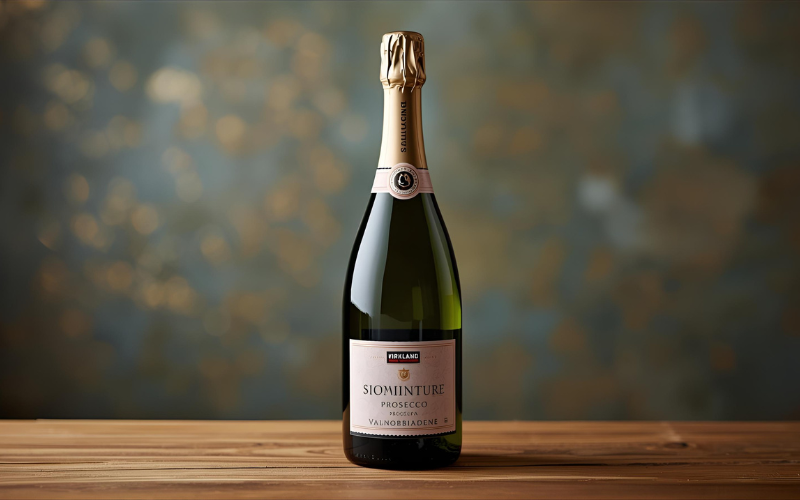
In the world of everyday shopping triumphs, few things beat snagging a case of Kirkland Signature wine at Costco for next to nothing. That crisp, bubbly Prosecco has become a go-to for backyard barbecues, quiet evenings unwinding after a long day, or stocking the fridge ahead of family gatherings. But right now, a shadow hangs over one of those beloved bottles. Nearly a million units of Kirkland Signature Valdobbiadene Prosecco DOCG are pulling back from shelves and pantries across the Midwest, all because of a sneaky defect that could turn a simple pour into a trip to the emergency room.
Product recalls hit hard when they target something as routine as a $8 bottle of fizz. They're not just corporate headaches—they're real-life speed bumps that force folks to pause and double-check what's lurking in the garage cooler or wine rack. This one, announced in late September and ramping up as November chills set in, underscores how even the most trusted bulk buys can carry hidden risks. The issue? Those green glass bottles might shatter without warning, sending shards flying and inviting deep cuts that no one needs, especially with Thanksgiving turkey carving and Christmas toasts on the horizon.
Costco didn't take this lightly. After spotting the problem, the retailer moved fast, alerting shoppers to ditch the bottles pronto. It's a move straight out of the safety playbook: better to lose a few bucks on refunds than risk a hospital bill or worse. Reports trickled in—ten cases so far of bottles giving way, with one leading to a laceration that required stitches. That's not a statistic to brush off. It's the kind of close call that starts conversations around the dinner table about being smart with household staples.
The Bottles in Question: Spotting the Risk at a Glance
Picture this: a sleek bottle catching the light on your kitchen counter, purple foil glinting at the neck like it's ready for a celebration. That's the Kirkland Signature Valdobbiadene Prosecco Superiore DOCG—the one that's earned rave reviews for its light, fruity notes that pair perfectly with grilled steaks or a casual poker night spread. But if yours matches this description, it's time to set it aside.
The specifics make it easy to pinpoint. Look for the UPC code 196633883742 stamped on the label, or the item number 1879870 if you still have the receipt tucked away. The label itself screams elegance with its purple backdrop and bold "Kirkland Signature Valdobbiadene Prosecco Superiore DOCG" lettering. These weren't impulse buys at some corner store; they flew off Costco shelves in twelve Midwestern states—Iowa, Illinois, Indiana, Kentucky, Michigan, Minnesota, Missouri, North Dakota, Nebraska, Ohio, South Dakota, and Wisconsin. Sold from April through August 2025, they went for about $8 a pop, making them a steal for anyone building a home bar on a budget.
Why these states? Costco's regional warehouses stock based on local demand, and the Midwest's love for value-packed deals meant these bottles moved quick during the warmer months. Folks grabbed them for summer patios or early holiday prep, stashing cases in basements or garages where temperatures swing. And here's a kicker: glass under stress—from shipping bumps, storage quirks, or just the fizz building pressure inside—can betray you when you least expect it. Twisting that cork or bumping it against a sink? That's when the real worry kicks in.
F&F Fine Wines International, Inc., the outfit behind the bottling, has been fielding those shattering stories since the recall kicked off. Ten incidents might sound low against a million units, but each one paints a picture of what could go wrong. A guy reaching for a refresh during a football watch party, only to have glass explode in his hand. Or a dad handing one to a buddy at the grill, ending up with blood on the burger flipper. The lone laceration report so far serves as the stark reminder: this isn't hypothetical. It's the push everyone needs to scan their collections.
Why Shattering Bottles Matter More Than You Think
Glass breakage isn't new—anyone who's dropped a beer bottle knows the cleanup drill. But when it's a defect baked into the design or manufacturing, the stakes climb. These Prosecco bottles carry that internal pressure from the carbonation, the stuff that gives sparkling wine its pop. A tiny flaw in the glass, maybe a weak seam from the factory or a hairline crack from rough handling en route to Iowa, and pop turns to peril.
Consumer safety groups hammer this home year after year: recalls exist because companies can't catch every lemon in the batch. In this case, the shatter risk isn't just about mess—it's lacerations that slice deep, potentially hitting tendons or arteries if luck's not on your side. For guys juggling workweeks, weekend projects, and family duties, an ER visit over a wine glass sounds like the last straw. And with holidays looming, when schedules tighten and gatherings swell, avoiding unnecessary drama becomes priority one.
Costco's response shows why the chain's built such loyalty. No fine print games—just straightforward refunds at the warehouse where you bought it. Bring the bottle back, unopened or not, and walk out with cash or credit toward something safer. It's a nod to the practical side of shopping: you invest in bulk for savings, not headaches. Ethica Wines, the importer handling the front lines, set up a hotline for the nitty-gritty. Dial 786-810-7132 Monday through Friday, 8 a.m. to 6 p.m. Eastern, or shoot an email to customercare@ethicawines.com. They're there to answer the what-ifs, like whether your bottle from a different lot is clear or how to tell if it's been tampered with in storage.
Broader picture? This recall slots into a busy fall for food and drink alerts. Cheeses pulling back over deadly bacteria risks, other staples flagged for contaminants—it's a parade of reminders that vigilance pays off. But Prosecco's story stands out for its everyday angle. It's not exotic fare; it's the reliable pour that caps off a solid day or fuels a round of stories with old friends. Losing trust in that hits different.
Navigating the Recall: Steps to Stay Safe and Smart
So, what does action look like? Start with inventory. Raid the wine fridge, the pantry shelf, that corner of the garage where bottles gather dust. Match against the UPC and item number—no guessing. If it fits, bag it up and head to your local Costco. The Midwest spots affected mean if you're in Chicago, Des Moines, or anywhere from the Dakotas to Kentucky, this could be yours. Even if you bought online for pickup, the warehouse tie-in holds.
Refunds keep it painless. No need to drain the wallet on a dud; swap for another Kirkland varietal that's passed muster, like their Cabernet for a hearty winter warmer. And while you're there, it's a chance to eyeball alternatives—maybe a California sparkler that's shatter-proof in spirit if not always in fact.
For the long haul, this nudges smarter habits. When loading up on cases, inspect for dings or odd weights. Store upright in cool, steady spots to ease pressure on seals. And keep an ear to recall channels—Costco's app, email blasts, or warehouse signage catch these early. It's about turning potential pitfalls into non-events.
As November 6 marked the latest update, with those ten reports holding steady, the clock's ticking toward fuller holiday frenzy. No one wants a bandage-wrapped hand passing the mashed potatoes. This Prosecco pullback, inconvenient as it feels, reinforces the basics: check labels, trust the alerts, and prioritize the wins that don't come with strings.
In the end, it's a blip in the grand scheme of stocking life's pleasures. But it sharpens focus on what matters—gathering without glitches, toasting without trepidation. Costco's quick pivot here earns points, proving bulk buying doesn't mean blind faith. Next time you're wheeling that cart through the aisles, scanning for deals, remember: the real value's in coming home whole.


